

Many people think a weekend trip with friends is all about the destination. In practice, the real success hinges on the little details: the timing, the mix of activities, and the shared experience. If you aim for a spontaneous getaway, you’ll still need a clear plan for meals, transport, and downtime.
Choose a Venue That Fits the Group’s Energy
Start by picking a spot that offers both relaxation and stimulation. For a small crew of four, a cabin on a lake can provide quiet mornings and late‑night bonfires. If you’re a larger group, a boutique hotel with a game room or a hostel with a communal kitchen might work better. Count the nights you’ll stay and confirm availability by booking at least three weeks in advance; this guarantees you secure the room and the rates you expect.
Set a Realistic Budget and Stick to It
Break the budget into categories: travel, lodging, food, activities, and a buffer for unexpected costs. A typical weekend for four people in a mid‑range cabin might look like this:
- Travel: $120 per person (shared rides or rental car)
- Lodging: $80 per night per person (includes taxes)
- Food: $40 per day per person (groceries plus one restaurant dinner)
- Activities: $20 per person for a local tour or rental equipment
- Buffer: $30 per person for souvenirs or last‑minute changes
Keep a shared spreadsheet so everyone can see the totals and adjust if someone wants to splurge or save.
Plan a Mix of Structured Games and Free Time
Allocate specific slots for board games, card tournaments, or video game sessions, but leave open windows for spontaneous exploration. A good rule is to schedule at least one hour of competitive play each evening and two hours of free activity during the day. That way, the group stays engaged without feeling rushed. Include a “challenge list” with items like “solve a puzzle in under 15 minutes” or “build a fort from blankets” to keep the energy high.
Make Meals a Highlight, Not a Hassle
Cooking together can be a bonding experience. Plan a menu that requires minimal prep but offers variety. For example:
- Breakfast: oatmeal with fruit and nuts (pre‑packaged)
- Lunch: pre‑made wraps (lettuce, turkey, cheese, avocado)
- Dinner: grill a pre‑marinated steak or veggie skewers, serve with a quinoa salad
- Snack: a mix of nuts, dark chocolate, and fresh berries
Buy ingredients in bulk from a local market and assign cooking duties in advance. This reduces stress and ensures everyone has a chance to contribute.
Mid‑Trip Aside: From Board Games to Online Fun
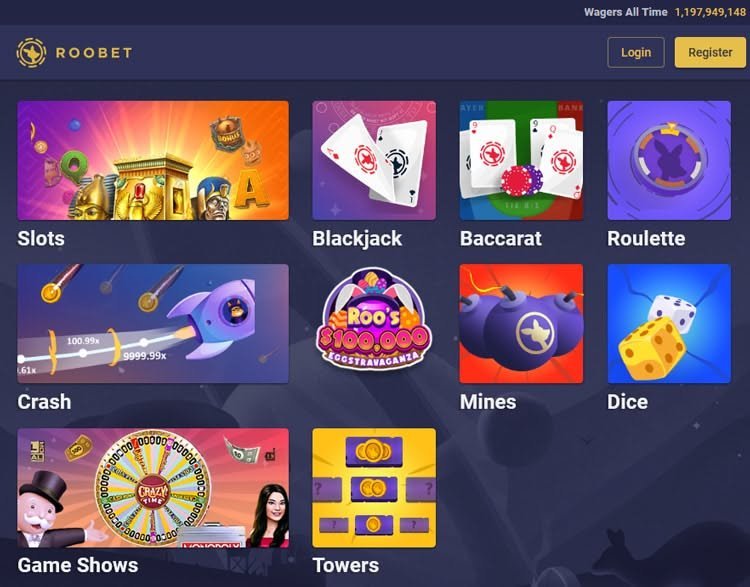
When you’re looking for a way to keep the excitement going even after the trip, you might consider exploring online gaming platforms. One option that offers a variety of casino‑style games with a user‑friendly interface is zizobet. The site’s layout is straightforward, and the selection ranges from classic slots to live dealer tables.
Wrap‑Up: The Key Takeaway
The ultimate weekend escape isn’t about the destination alone; it’s about the shared moments you create. By choosing a venue that balances quiet and activity, setting a clear budget, mixing structured games with free exploration, and planning meals that bring everyone together, you’ll give your group a memorable experience that lasts long after the last toast. Remember, the details matter most—plan them well, and the weekend will unfold just as you imagined.
Frequently Asked Questions
What’s the biggest myth about weekend getaways?
Many believe the destination alone guarantees fun; in reality, details like timing and activities drive success.
How can I keep the trip spontaneous yet organized?
Set a flexible schedule, but pre-book meals, transport, and key activities to avoid last‑minute stress.
What kind of venue works best for a small group?
Choose a spot that balances relaxation and activity—like a lakeside cabin offering quiet mornings and evening games.
Why is shared experience more important than the location?
Shared moments create lasting memories; they’re built through planned activities, downtime, and good company.